podhealth
← Good to know

Nails

Ingrown toenails: causes, symptoms and effective solutions

Ingrown toenails can be a real pain, figuratively and literally. In this concise guide, we'll explore what ingrown toenails are and their causes.

What is happening

An ingrown toenail occurs when the edge of the nail plate presses into or pierces the skin beside it. The body treats the nail edge as a foreign object, so the area becomes red, swollen and painful, and can develop proud flesh and discharge if it has been there a while. The big toe is the usual site.

Common causes

Cutting nails down the sides or too short, leaving a spike behind. Tight or narrow shoes and sport that jams the toe forward. A stubbed or crushed toe. Naturally curved or thickened nails, which run in families. Fungal nail changes that thicken the plate. Sweaty feet, which soften the surrounding skin and let the nail cut in more easily.

What we can do about it

In clinic we can usually remove the offending spike of nail and relieve the pain on the day, often with immediate relief. If the area is infected, we clear it, dress it and advise on whether antibiotics are needed.

For nails that keep coming back, a partial nail avulsion is the permanent fix. Under local anaesthetic, we remove the offending edge of the nail and treat the nail bed so that edge does not grow back. It is done in the clinic, takes under an hour, and most people walk out and return to normal shoes within a few days. The rest of the nail is left looking normal.

Preventing the next one

Cut nails straight across rather than curving down the sides, and not shorter than the end of the toe. Give your toes room in shoes, particularly for sport. Keep feet dry. And have a painful nail looked at early, before it becomes infected, rather than digging at it yourself.

Sound familiar?

Have it assessed properly. No referral needed.
Three Adelaide clinics Call
podhealth

Podiatrist in Adelaide: Podhealth Foot & Ankle Clinic in Tea Tree Gully, Payneham and Kilburn

{{ heroA }}
{{ heroB }}{{ heroDot }}

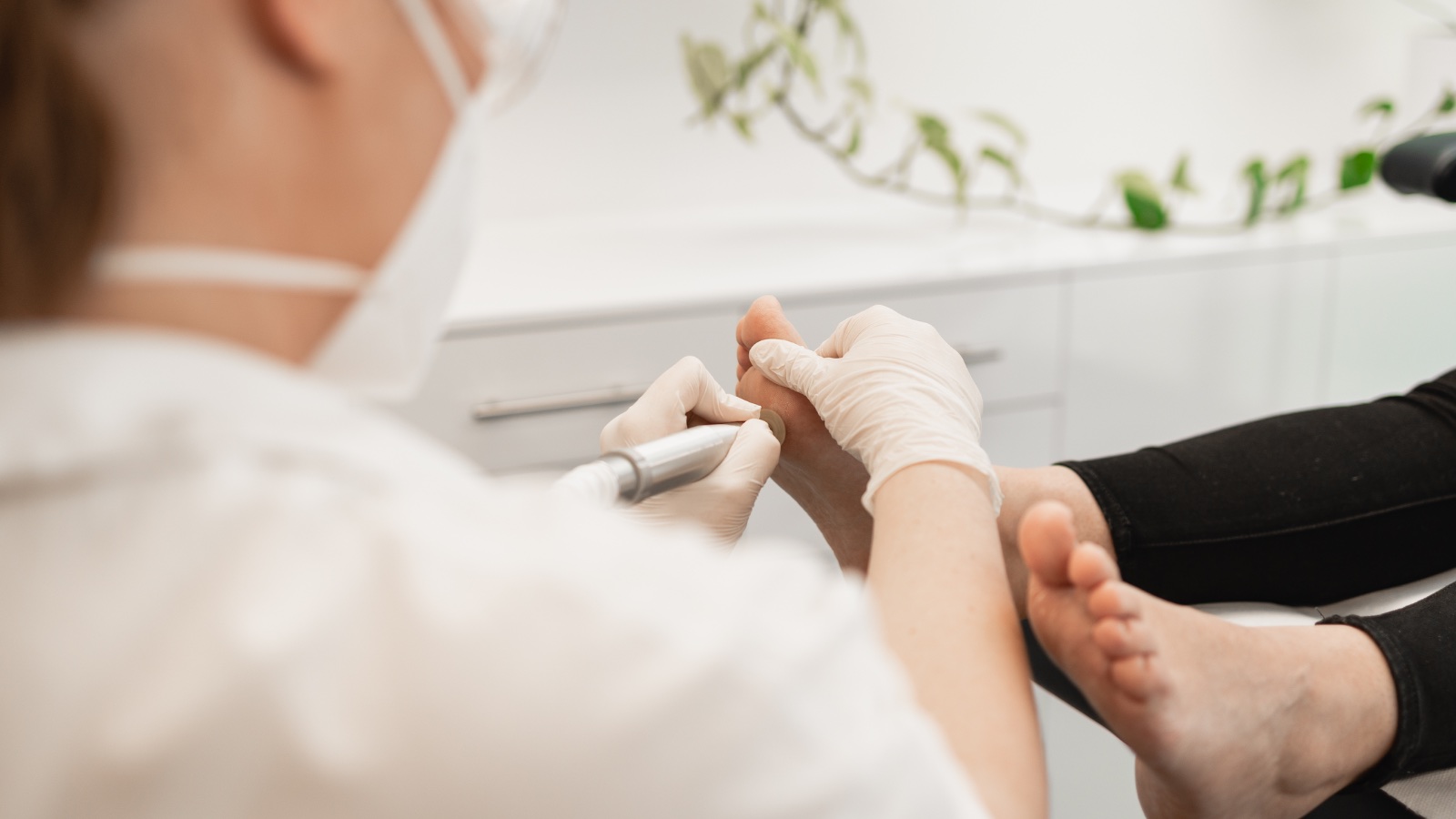
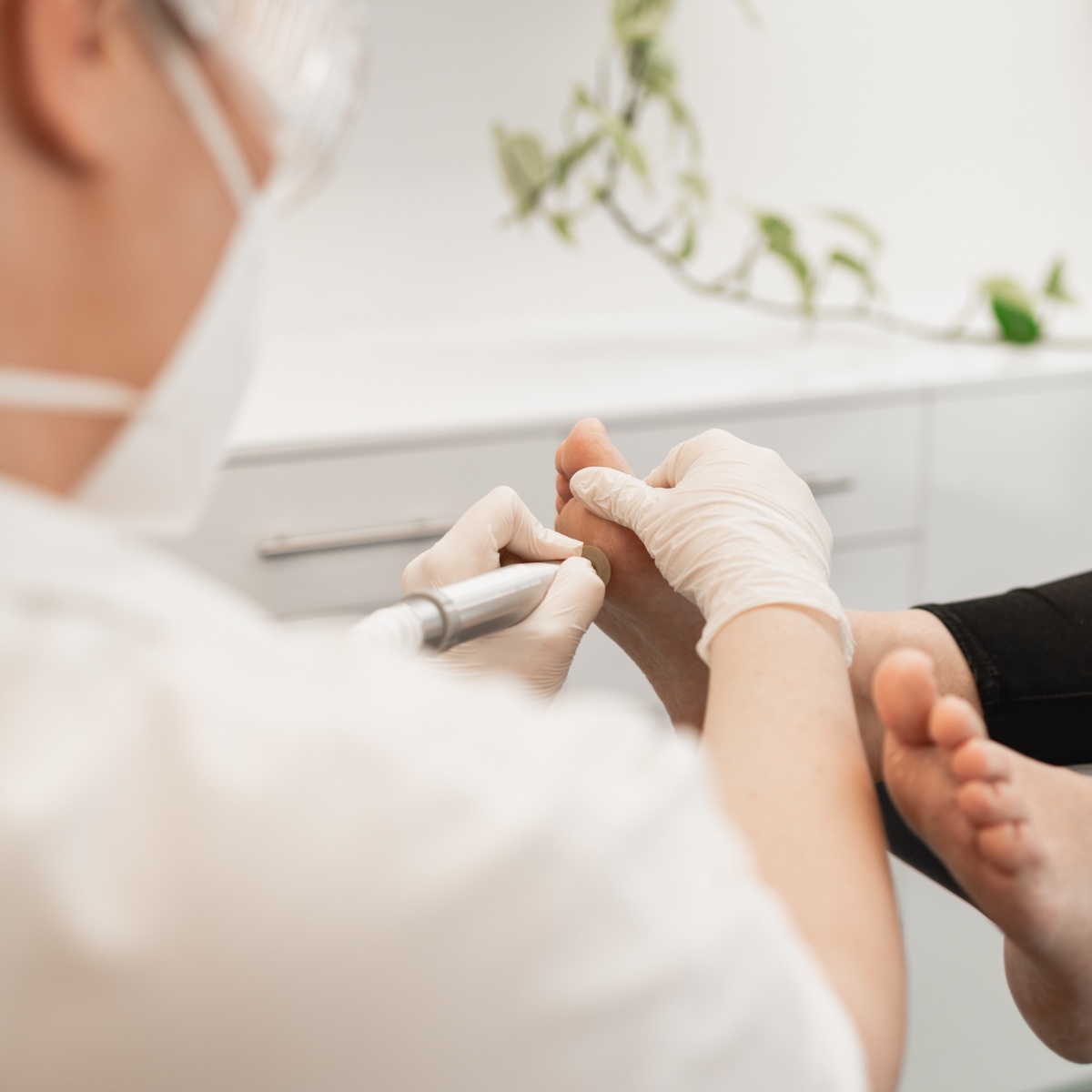
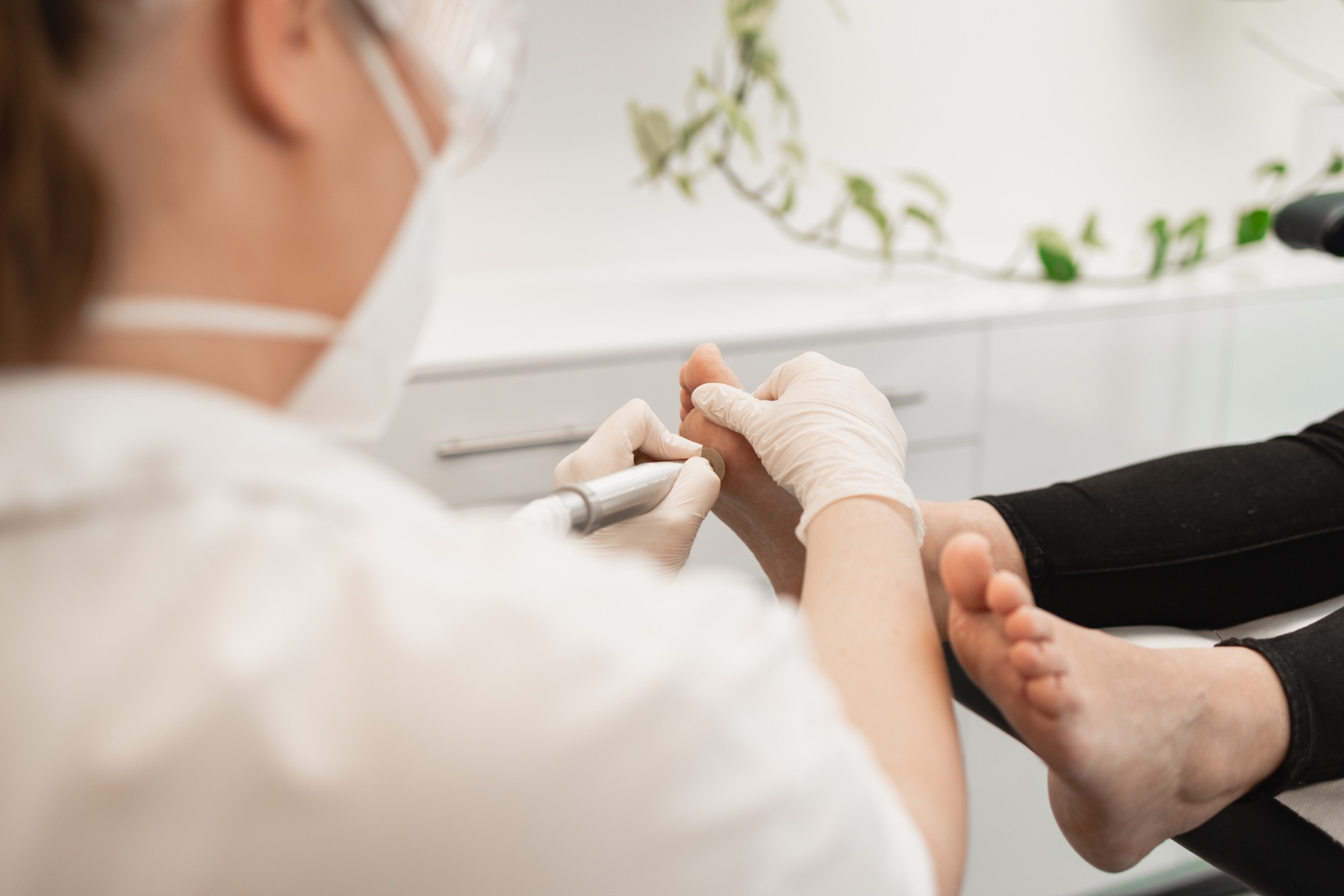
Podiatrist providing routine nail and skin care at Podhealth in Adelaide
3D foot scanning for custom orthotics at Podhealth, Adelaide
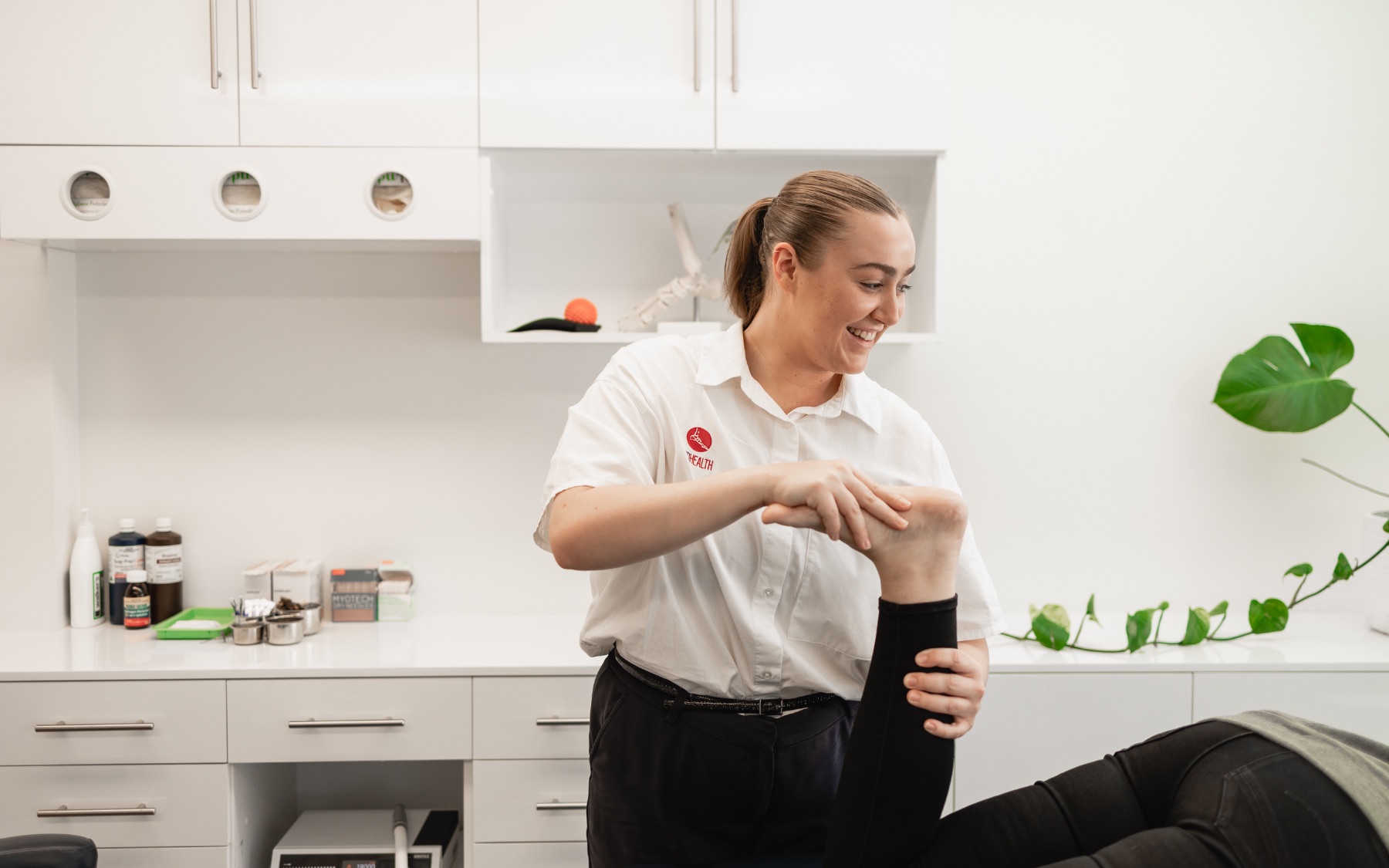
Podiatrist performing a hands-on foot and ankle assessment
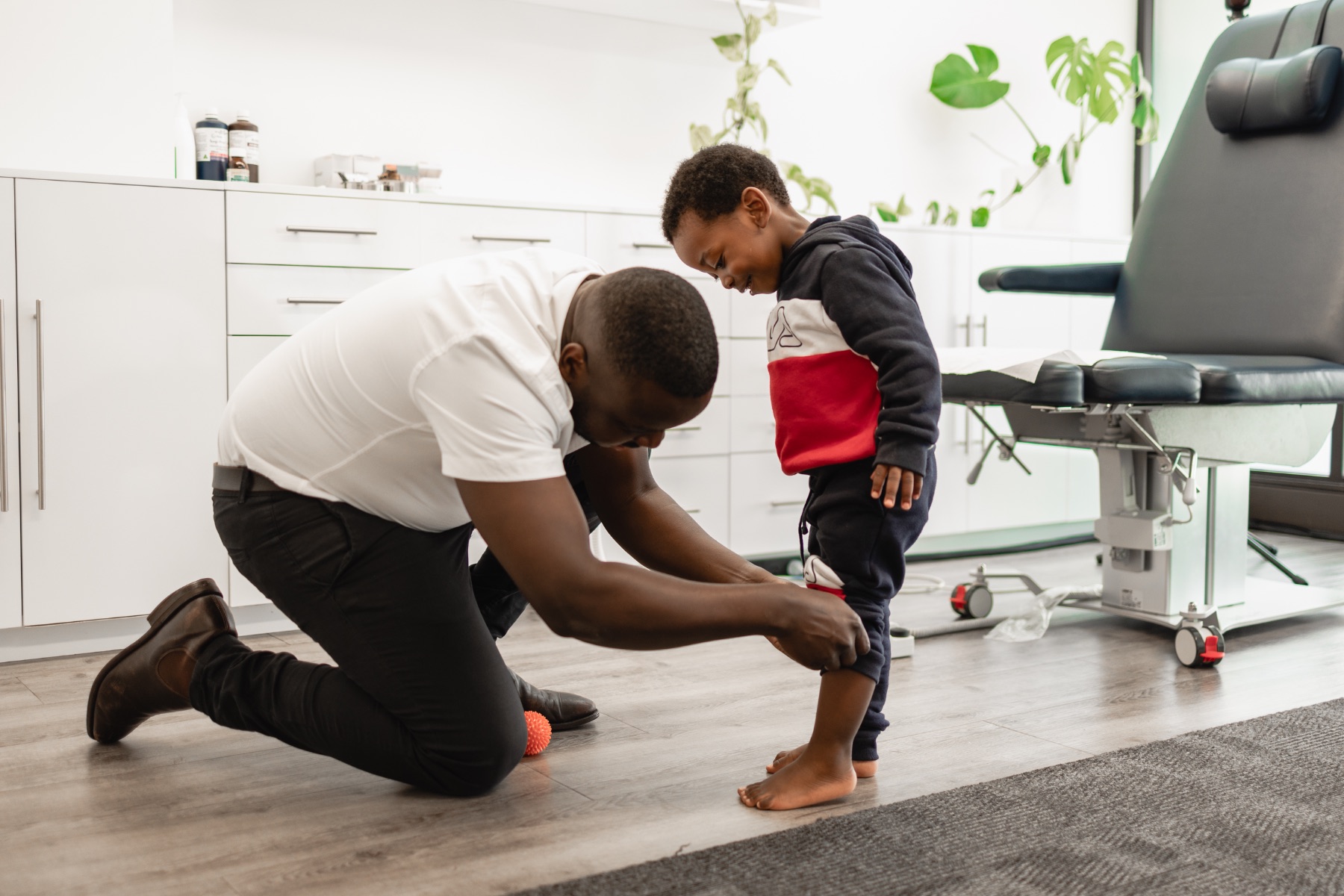
Paediatric podiatry gait assessment for a child in Adelaide
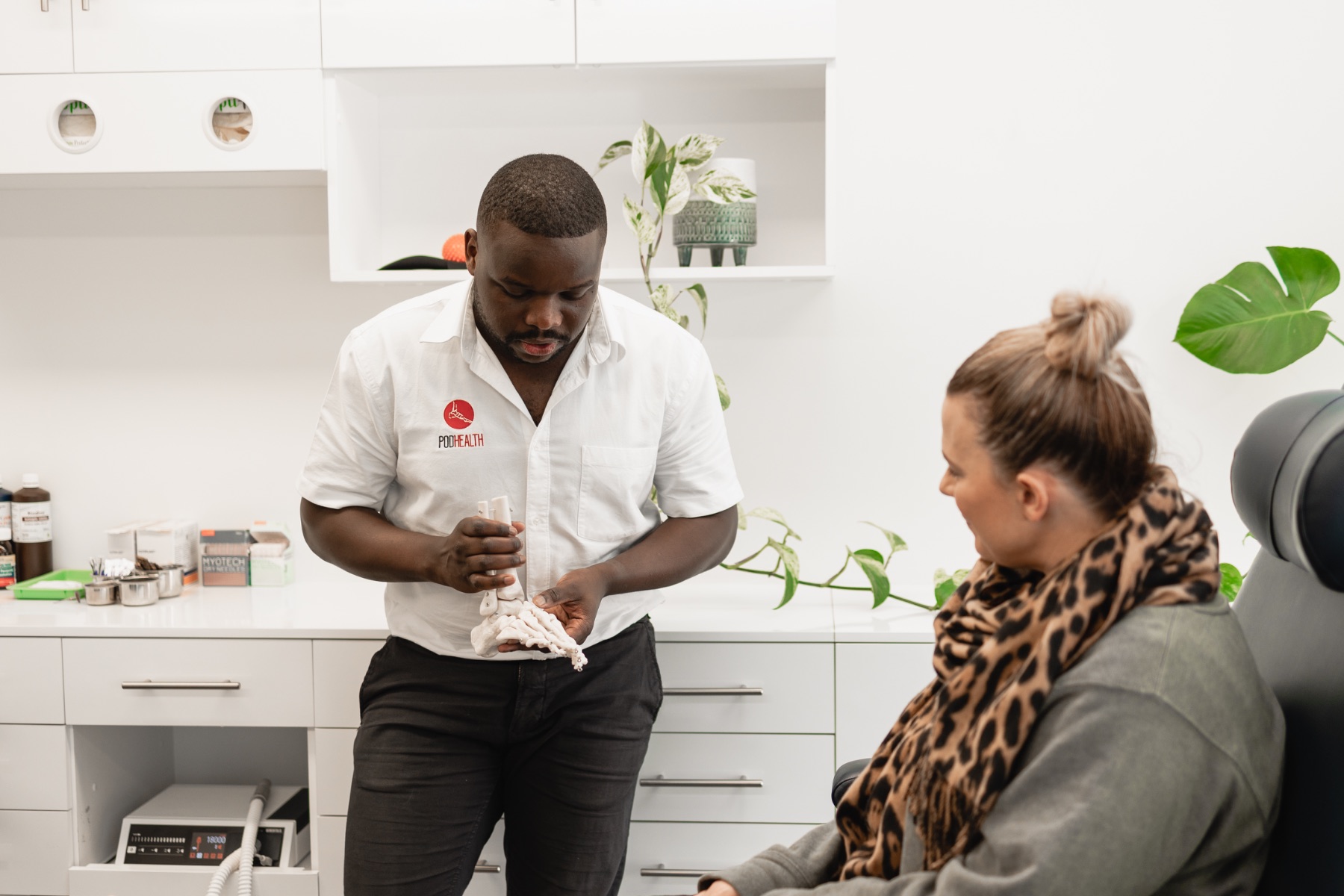
Podiatrist explaining foot anatomy to a patient in clinic
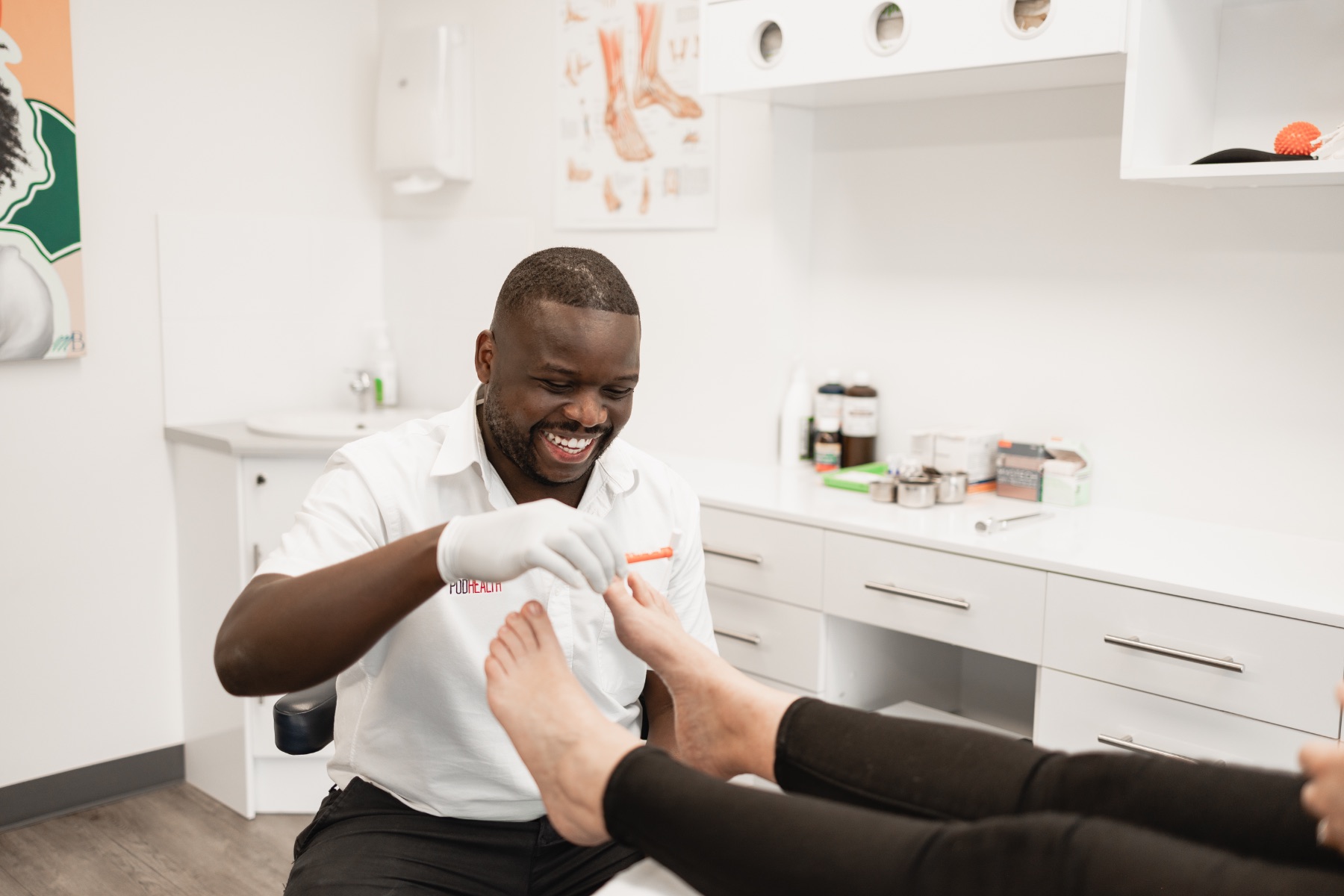
Foot treatment during a podiatry appointment at Podhealth

{{ slideCaption }}

Tea Tree Gully · Payneham · Kilburn

Health funds & funding

{{ m.name }}

What hurts?

Pain in the foot often starts somewhere else. Pick the area that sounds like yours — each one covers several possible causes.

{{ activeGroup }}

  • {{ i.name }}
Everything we treat

What we do

All 17 →

A podiatrist is a university-qualified, AHPRA-registered health practitioner specialising in the foot, ankle and lower limb. You can book directly, no GP referral needed.

Podiatrist treating a patient during a home visit in Adelaide Home visits Can't get to us?
We come to you →

What we do

A podiatrist is a university-qualified, AHPRA-registered health practitioner specialising in the foot, ankle and lower limb. You can book directly, no GP referral needed.

Tap any service for the detail.

{{ s.desc }}

What hurts?

Pain in the foot often starts somewhere else. Find the area that sounds like yours — each one covers several possible causes, and the first appointment is about working out which is yours.

{{ c.group }}

  • {{ i }}

The team

Emmanuel Ngabo, senior podiatrist at Podhealth Foot and Ankle Clinic, Adelaide

Emmanuel Ngabo

Senior Podiatrist

Emmanuel graduated from the University of South Australia in 2015 and has worked predominantly in private practice ever since. Much of that has been inside multidisciplinary health centres, alongside GPs, physiotherapists and diabetes educators, and it shaped how he treats: the foot in the context of the whole person, not in isolation.

Patients describe him as knowledgeable, empathetic and attentive to detail. He is solution-focused, explains what he finds in plain language, and has a good sense of humour and better bedside manner. A member of the Australian Podiatry Association, he keeps up ongoing professional development so treatment reflects current evidence rather than habit.

Outside work he is usually with friends and family over good music and a glass of red. He has recently taken a keen interest in cycling, and still has some dance moves in him.

{{ i }}

Home visits · Metropolitan Adelaide

Good foot care, in your own space.

The same podiatry we provide in clinic, brought to you at home. For Support at Home packages, NDIS, DVA and private patients who can't get in to see us.

Podiatrist treating a patient during a home visit in Adelaide

What a visit covers

The first visit runs a full 60 minutes — time to understand your feet, your health, your mobility and what you want to be able to do.

  • {{ v.n }}{{ v.t }}

Who it's for

  • {{ w }}

Tell us your goal

Our team will call you back. A family member or carer can fill this in for you. We visit metropolitan Adelaide — tell us your suburb and we'll confirm we cover it.

We use the details you send only to arrange your call back and care. Read our privacy notice.

{{ hommSentMsg }}

Home visits are not an emergency service. For urgent or life-threatening concerns, call 000.

First visit

40 minutes. No referral needed.

  1. {{ f.n }}

    {{ f.title }}

    {{ f.body }}

Bring

Your everyday shoes, any orthotics, and your Medicare, DVA, NDIS or fund card.

Questions

{{ q.a }}

Good to know

Foot health, explained plainly.

{{ p.tag }} {{ p.title }} → {{ p.blurb }}
← Good to know

{{ postTag }}

{{ postTitle }}

{{ postBlurb }}

{{ b.text }}

{{ b.text }}

Sound familiar?

Have it assessed properly. No referral needed.

{{ bookTitle }}

Choose a clinic

Find us

{{ l.name }}

{{ l.address }}

{{ l.phone }}

{{ l.faxLine }}

Or send a note

We use the details you send only to respond to your enquiry. Read our privacy notice.

{{ sentMsg }}
Three Adelaide clinics Call